
Personal Umbrella Insurance Oregon: Extra Protection for Life
Your home and car insurance have limits. Once you exceed those limits, your personal assets are at risk.
Personal umbrella insurance in Oregon fills that gap with additional liability protection. At LeDoux Insurance Agency Inc., we help Oregon residents understand how this coverage works and why it matters for their financial security.
What Umbrella Insurance Actually Covers
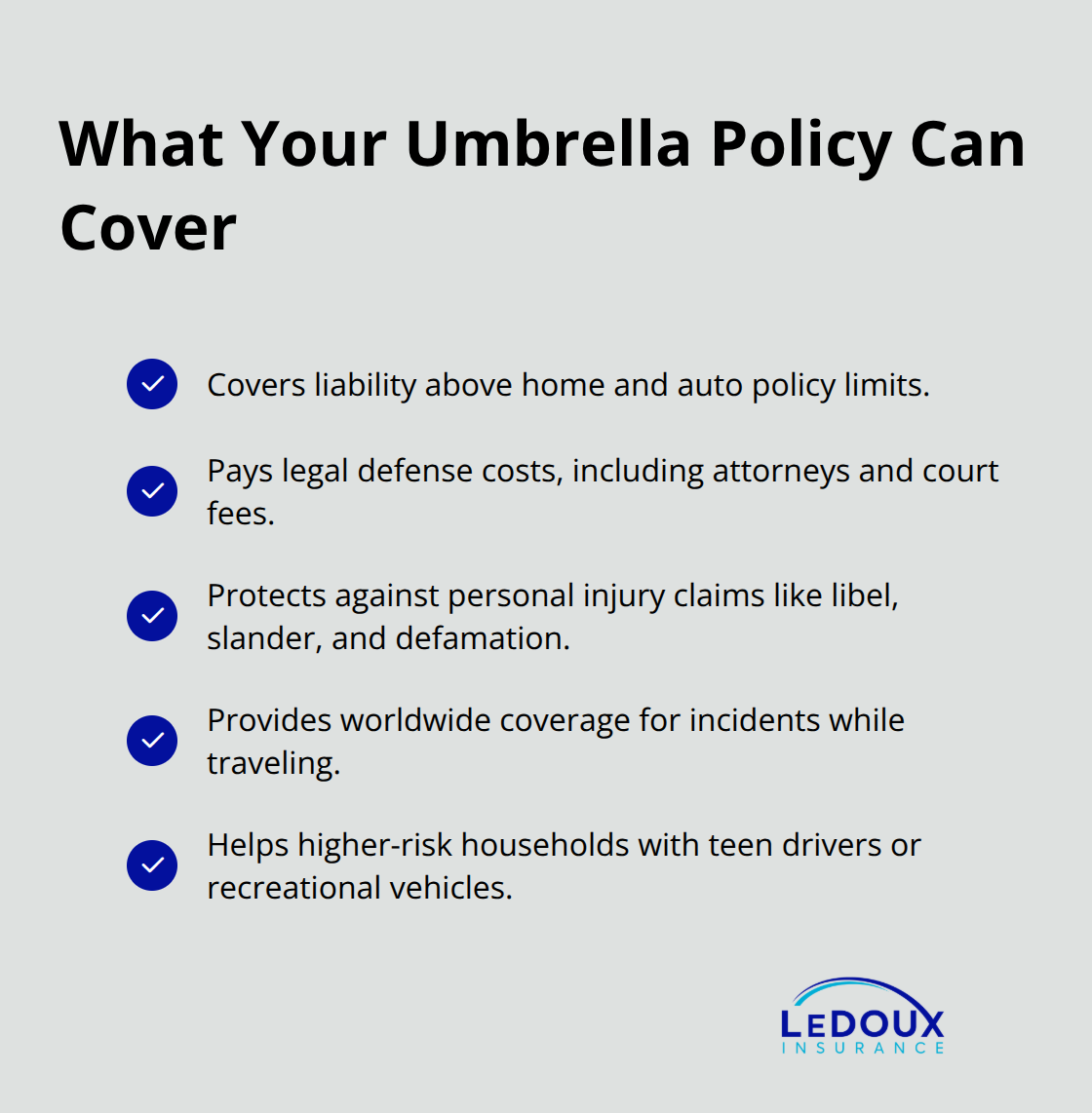
A personal umbrella policy activates when your home or auto insurance limits run out. If someone sues you for bodily injury or property damage and the judgment exceeds your underlying policy caps, your umbrella steps in to cover the remaining liability up to your chosen limit. For example, if a guest is seriously injured on your property and a court awards 1.5 million dollars in damages, but your homeowners liability maxes out at 500,000 dollars, your umbrella policy covers that 1 million dollar gap plus your legal defense costs. The policy also protects against personal injury claims that standard homeowners or auto policies often exclude, including libel, slander, and defamation.
This matters because nuclear verdicts are driving up judgment sizes across Oregon and the Pacific Northwest. Recent market data shows jury awards and settlement amounts have climbed significantly, making that extra layer of protection far more valuable than it was a decade ago.
Legal Fees and Defense Costs Are Included
One major advantage most people overlook is that umbrella coverage pays for your legal defense even before the underlying policies are exhausted. If you face a lawsuit, your umbrella insurer covers attorney fees, court costs, and investigation expenses within your policy limits. This can easily run 50,000 to 200,000 dollars or more depending on case complexity. Without this coverage, you pay those bills out of pocket while waiting for settlement or verdict. The umbrella also provides worldwide coverage, meaning incidents that occur during vacations abroad receive protection. If you own rental properties, operate recreational vehicles, or have teen drivers in your household, the legal exposure is higher, making defense cost coverage especially practical.
Teen Drivers and Higher-Risk Households
Teens crash at rates approximately three times higher than drivers aged 20 and older according to traffic safety data. Families with young drivers should prioritize this protection because the liability exposure is real and substantial. A single serious accident involving a teen can result in judgments that far exceed standard auto policy limits. Your umbrella policy fills that gap and covers the legal costs that follow. This protection extends to any household member whose activities create elevated liability risk, whether that involves recreational vehicles, swimming pools, or other exposures. Understanding your household’s specific risk profile helps you select appropriate umbrella limits when you work with an insurance professional.
Who Needs Umbrella Protection in Oregon
Umbrella insurance isn’t reserved for the wealthy. Anyone with meaningful assets to protect should consider this coverage. If you own a home, drive a vehicle, or have income you’ve worked to build, a judgment against you can threaten that financial security. Oregon’s legal environment has shifted toward larger awards. Recent jury verdicts show that six-figure and seven-figure judgments are far more common than they were ten years ago. This means the gap between your standard homeowners or auto liability limits and a realistic worst-case scenario has grown substantially. A single incident-a guest injured on your property, a serious auto accident where you’re found liable, a swimming pool incident-can result in damages that exceed your underlying coverage by hundreds of thousands of dollars.
Homeowners and Property Owners Face Real Risk
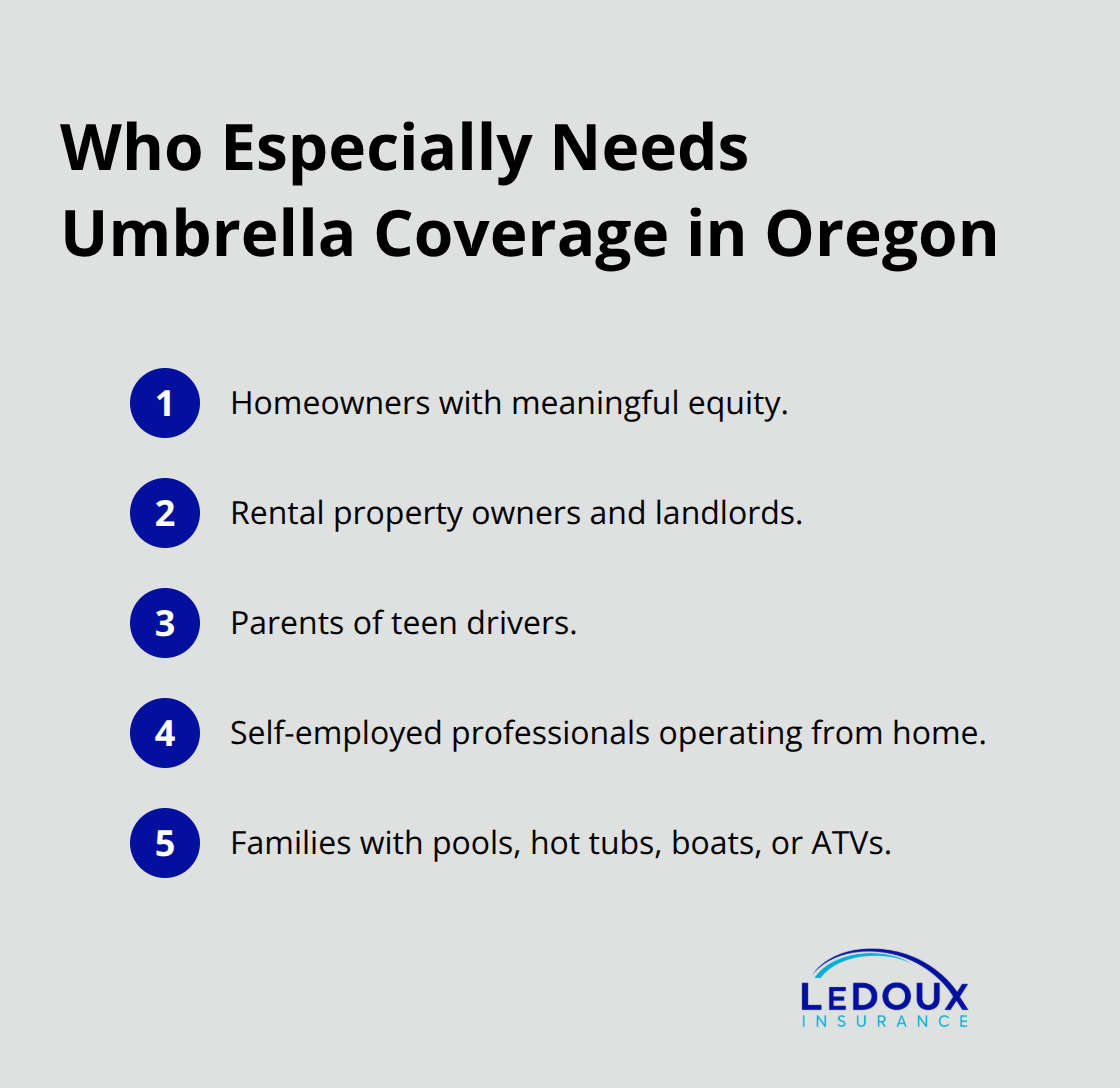
Homeowners with equity in their properties face particular risk. If you own real estate worth 500,000 dollars or more, a judgment can attach to that asset. Rental property owners face even higher exposure because they operate a business from that property, and liability claims tend to be more aggressive in commercial or semi-commercial contexts. The financial threat is concrete and substantial.
Parents with Teen Drivers Need Extra Protection
Parents with teen drivers should treat umbrella coverage as non-negotiable. Traffic data shows teens crash at roughly three times the rate of drivers over 20. A serious accident involving a teen driver can generate medical bills, pain-and-suffering awards, and legal fees that quickly reach significant amounts. This protection directly addresses one of the highest-risk scenarios in most households.
Self-Employed Professionals and Business Operators
Self-employed professionals and business owners operating from home face elevated liability exposure. Your professional activities can create liability exposure beyond what a standard homeowners policy covers. If you operate any kind of service business, maintain clients at your residence, or have employees visiting your property, umbrella protection is practical risk management. The exposure grows with each client interaction and business activity conducted from your home.
Recreational Activities and Amenities Increase Exposure
Families with swimming pools, hot tubs, or recreational equipment like ATVs and boats should absolutely carry umbrella coverage. These amenities significantly increase liability exposure. If you frequently host gatherings or have extended family visiting regularly, the risk multiplies. Each activity and amenity adds another layer of potential liability that standard policies don’t adequately cover.
Finding the Right Coverage Limits for Your Situation
An independent insurance agent can assess your specific situation by reviewing your assets, household composition, activities, and existing coverage to recommend appropriate limits. Most Oregon residents find that 1 million dollars of umbrella coverage costs less than 200 dollars annually, making it an affordable way to protect what you’ve built. The next step involves understanding how to evaluate your total assets and select coverage limits that actually match your financial exposure.
Selecting Your Umbrella Limit in Oregon
Calculate Your Total Assets and Future Earnings
Start by tallying your actual assets, not what you think you own. Add up your home equity, investment accounts, retirement savings, vehicles, and any other property with real value. Most Oregon homeowners underestimate this total significantly. If your home is worth 600,000 dollars and you have 200,000 dollars in retirement savings plus a paid-off vehicle, your total exposure is 800,000 dollars minimum. That’s your baseline.
Now add your annual income for the next decade or two-that’s future earnings a judgment can potentially attach to. Someone earning 80,000 dollars annually has roughly 800,000 to 1.6 million dollars in future earning potential a creditor could pursue. This calculation shows why 1 million dollars of umbrella coverage falls short for many Oregon households.
Understand How Oregon’s Legal Environment Has Shifted
Oregon’s liability environment has shifted dramatically toward larger awards. Recent jury verdicts show nuclear verdicts and seven-figure judgments are far more common than a decade ago, with third-party litigation funding and social inflation driving plaintiff expectations upward. Your underlying homeowners policy likely caps liability at 300,000 to 500,000 dollars, and your auto policy probably sits at similar levels. That gap between your underlying limits and a realistic worst-case judgment has widened substantially.
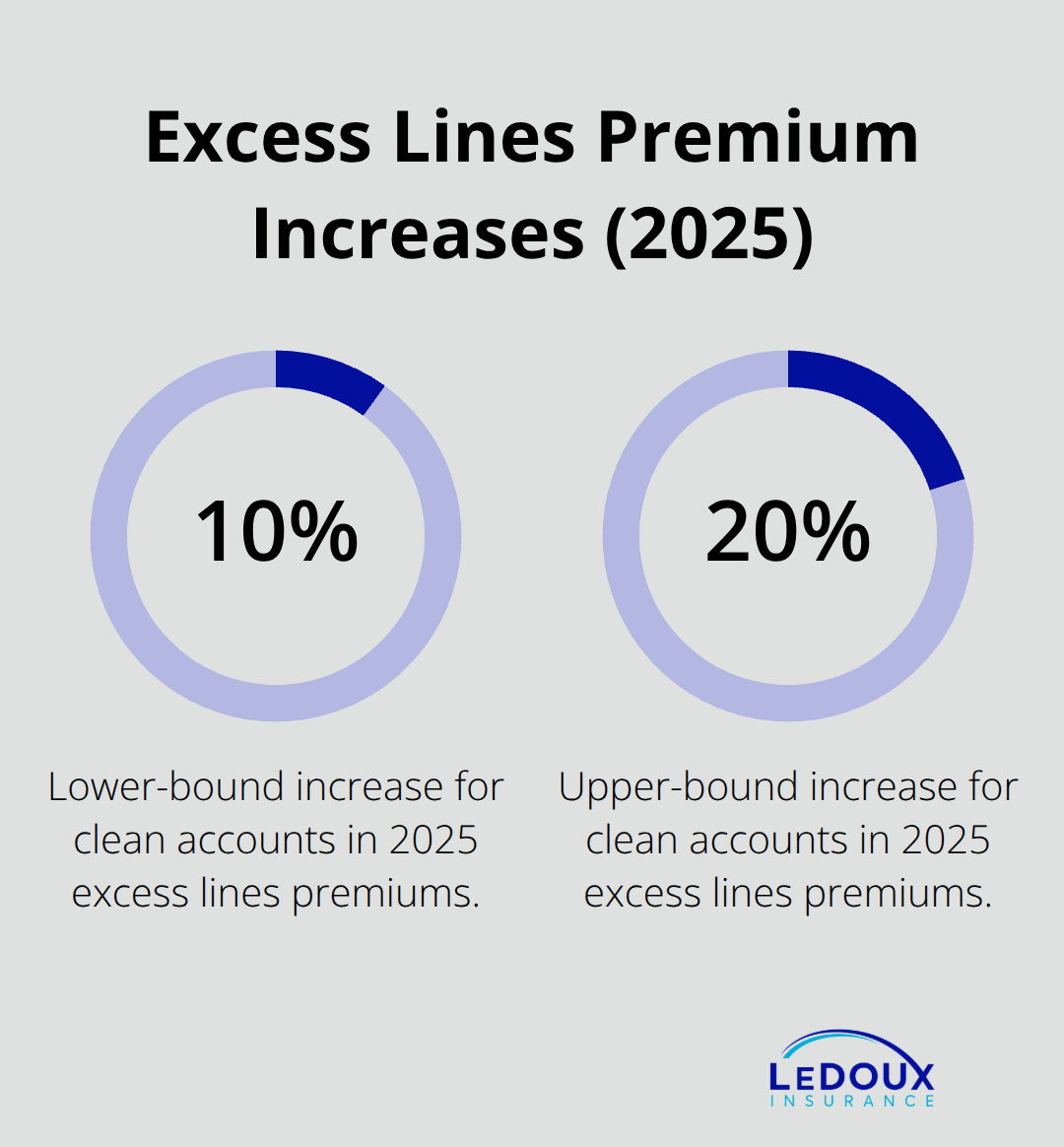
The 2025 umbrella market data shows that even clean accounts with pristine loss histories face 10 to 20 percent increases in excess lines premiums, signaling that carriers are repricing risk across the board. This means coverage that seemed adequate five years ago may not be today.
Select Coverage Limits That Match Your Exposure
Most homeowners with meaningful equity and income should carry at least 1 million dollars of umbrella coverage. Households with 800,000 dollars or more in combined assets and future earnings should seriously consider 2 million dollars. The cost difference between 1 million and 2 million is often just 100 to 150 dollars annually-a modest investment given the protection gap you’d otherwise leave open.
Compare Quotes and Evaluate Carrier Options
When comparing quotes, request identical limits from multiple carriers-don’t let price alone drive your decision. Some insurers have exited higher-risk sectors entirely or are offering smaller towers and higher attachment points, meaning available capacity varies widely. A carrier quoting you 1 million dollars may not quote 2 million, or may price it uncompetitively.
Bundling your umbrella with auto and homeowners through the same carrier sometimes yields modest savings, though the 2026 market is tighter than previous years and overall savings may be reduced. More importantly, verify that your underlying auto and homeowners policies are solid before purchasing umbrella coverage-carriers scrutinize the foundation policies closely. Weak underlying coverage or claims history will either disqualify you or substantially increase your umbrella premium.
Strengthen Your Underwriting Position
Document any risk controls you’ve implemented: home security systems, pool safety equipment, regular maintenance records. These concrete measures improve underwriting view and can lower your rate. Work with an independent agent who can present your portfolio to multiple carriers and re-underwrite your risks rather than just chasing the cheapest quote.
Final Thoughts
Personal umbrella insurance in Oregon protects what you’ve built by covering liability claims that exceed your home and auto policy limits. The gap between standard coverage and realistic worst-case judgments has widened significantly over the past decade, with nuclear verdicts and seven-figure awards now common in Oregon courts. A single serious incident-a guest injured on your property, a teen driver causing a major accident, or an accident involving your boat or recreational vehicle-can result in a judgment that threatens your financial security.
The math is straightforward: most Oregon households add 1 million dollars of umbrella coverage for less than 200 dollars annually, and 2 million dollars costs only slightly more. That modest investment protects hundreds of thousands of dollars in assets and future earnings from a single lawsuit. The 2025 and 2026 insurance market shows carriers are tightening capacity and repricing risk across the board, which means waiting to purchase coverage becomes more expensive, not cheaper.
Contact LeDoux Insurance Agency Inc. to review your current coverage and discuss appropriate umbrella limits for your household.
The information provided in this blog is for general informational purposes only and does not constitute legal, financial, or insurance advice. Coverage options, terms, and availability may vary. Please consult with a licensed professional for advice specific to your situation. Artificial intelligence may have been used to generate text and images in some blog articles.

