
Everything You Should Know About Insurance For First Time Home Buyers
 Owning your first home is one of the most exciting and biggest accomplishments in life. It is a memorable time and something to be proud of. With this excitement comes the responsibilities of maintaining and insuring the home. While we can’t help with the maintenance, we can help you understand and properly insure your new home.
What Does Home Insurance Cover: Homeowners insurance is a broad policy that covers the structure of your home against losses like fire, theft, vandalism and other weather related losses. You also have coverage for liability for injuries to others while visiting your property such as slip and fall claims or even dog bites. It is important to understand that losses from floods and earthquakes are typically excluded from the standard homeowner’s insurance policy. You can get a separate policy for these types of losses.
What Does Home Insurance Cost: The cost of a homeowner’s insurance policy varies on several factors including your credit history, your previous loss history (dog bites or liability, or property loss claims), the value of your home and any scheduled property like jewelry and art. Our agency can give you exact numbers and because we’re an independent insurance agency, we can compare several home insurance companies at once for you to find the right coverage at the right price.
Does Home Insurance Cover Detached Structures? If your home has a detached garage or other detached structure like a home office or art studio, your policy can include things like “Other Structures Coverage.” Talk to an agent to learn more about insuring your detached structures.
Are My Personal Items Covered? Homeowners policies come with personal property coverage. This amount varies by company and can be increased with most companies. Be sure that the amount of coverage you select for personal property is sufficient for the items you own.
Are Dogs okay? Most dog breeds are okay to be covered under the liability portion of your home insurance policy. Some dog breeds such as Pit Bulls, Akitas and other dogs are classified as dangerous and may be excluded from coverage. Check with your insurance carrier for a list of breeds they will not insure.
Many options and additional coverages are available for home insurance that are not included in a standard home insurance policy. Check with a licensed agent in our office for additional coverages you may want to include with your new home. Again, congratulations on your new home purchase and if we can help you in anyway, please let us know. We appreciate the opportunity to be your homeowners insurance agent.
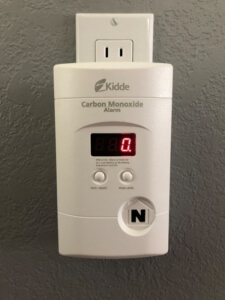 We all know the importance of having a smoke detector in our home, but what about a carbon monoxide detector?
 In order for you to be best protected, it is always recommended that you carry a separate trailer insurance policy. Because of the countless situations that may occur with a trailer, it is not entirely possible to say that your
  The cost of repairing or replacing a transmission or engine in a car can be daunting. Many people wonder what exactly is covered by an auto insurance policy. Does an auto insurance policy cover things like transmission repairs, tires, faulty wiring or worn suspension parts?
 You’ve worked hard for your assets. Whether it’s purchasing your home, an investment property or vehicle or saving for retirement, it has taken years and years of consistent hard work to build what you have. Did you also know that your future income can be considered an asset too? So, how can you protect your assets?
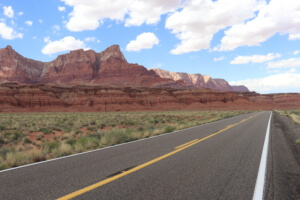 Oh, the great American road trip. Whether you are driving across the country, making a trip to visit our beautiful National Parks or simply just exploring different areas in your state, it is important to pack the right items on your road trip.
 More and more people are taking advantage of the extra income they can make by doing an AirBnB, VRBO or other rental out of their homes. This is a great way to save money for college, pay off your mortgage, pay for a remodel or just make extra money for your savings. But, before you commit and jump into it, consider the risks associated with being a landlord.
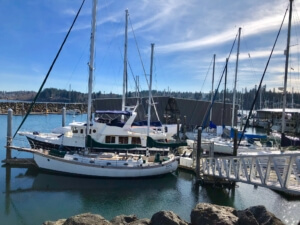 With summer upon us, many of you will be getting your boats out or maybe even buying a new one. When it comes to insuring your boat, you don’t want a policy that is the least expensive – you want the right coverage. Boating season is so much fun and being on the water carries a certain risk. When you’re shopping for boat insurance, be sure that your policy includes three specific, and sometimes optional coverages:
 Let’s take a little bit of a stroll…..